How to Navigate Today’s Housing Market as a Buyer or Seller

The housing market has not come to a stop. It has changed pace.
More homes are sitting on the market. Buyers have more choices than they did during the most heated years. Sellers still have opportunities, but they may need to work harder to stand out. That shift matters because the strategy that worked a year or two ago may not work as well now.
For buyers, today’s market can create room to think, compare, and negotiate. For sellers, it raises the bar on pricing, presentation, and patience. The right approach depends on local conditions, the home, and the goals behind the move.
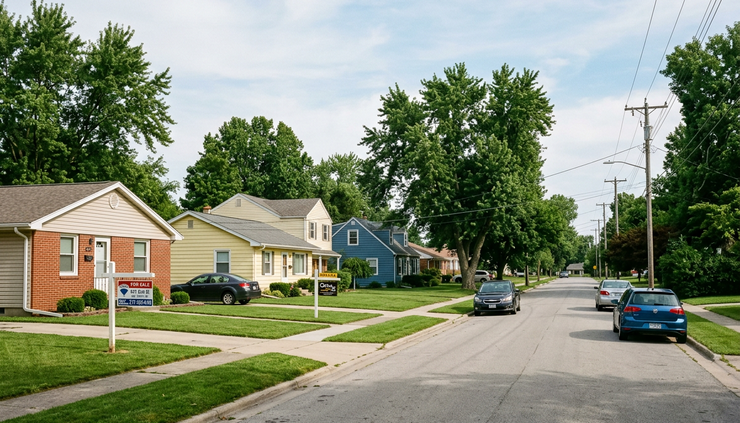
Buyers have more room to make thoughtful decisions
When inventory rises, the buying process often feels different. There may be fewer bidding wars, fewer rushed decisions, and more chances to compare homes side by side.
That does not mean every buyer suddenly has the upper hand. A well-priced home in a popular neighborhood can still move fast. But in many areas, buyers may have more breathing room than they did when listings were scarce.
More homes for sale can help buyers:
Compare floor plans, locations, and condition more carefully
Revisit a property before making an offer
Notice pricing differences between similar homes
Ask stronger questions during showings
Avoid stretching beyond a comfortable budget
The biggest benefit is not just choice. It is the ability to be more deliberate.
A buyer who sees five similar homes in the same price range can start to spot patterns. One home may have a newer roof. Another may need repairs. Another may sit on a better lot but have an outdated kitchen. Those details help shape a smarter offer.
A slower market rewards preparation. Buyers should still get preapproved, understand monthly payment comfort zones, and know which features matter most. More options do not help much if the search has no clear direction.
Negotiation may be back on the table
In a tighter market, buyers often had to waive terms, offer above asking price, or move quickly just to compete. With more homes available and properties taking longer to sell, some sellers may be more open to negotiation.
That could include:
A lower purchase price
Seller-paid closing costs
Repairs before closing
A credit for needed updates
A mortgage rate buydown
Flexible closing dates
A mortgage rate buydown can be especially appealing when interest rates make affordability harder. In some cases, a seller may agree to help reduce the buyer’s rate for a set period or over the life of the loan. Loan programs and costs vary, so buyers should review details with a trusted lender before relying on this option.
Negotiation should still be realistic. A home that is priced well and in great condition may not come with big concessions. A home that has been on the market longer, or one that needs work, may offer more room to ask.
The best offer is not always the lowest offer. It is the one that matches the home, the seller’s situation, and the current market.
Buyers should also avoid treating every listing the same. Days on market, recent price changes, competing homes, and neighborhood demand all matter. A local agent can help interpret those signals so the offer is firm, fair, and practical.

Sellers need to price with precision from the start
For sellers, the biggest adjustment is often emotional. When homes around them sold quickly in past years, it can be tempting to price high and wait for the right buyer. In a slower market, that can backfire.
Buyers have more listings to choose from. If a home feels overpriced compared with similar properties, they may skip it entirely. Once a listing sits, buyers may assume something is wrong, even if the home is in good shape.
That is why pricing correctly from the start matters so much.
A strong pricing strategy should look at:
Recent comparable sales
Active listings that compete directly with the home
Homes that failed to sell
Current buyer demand in the neighborhood
The condition and updates of the property
The goal is not to underprice. The goal is to meet the market where it is.
A home priced well can still attract serious buyers, especially if it shows well and offers clear value. A home priced too high may need reductions later, which can create a weaker negotiating position.
Sellers should also pay attention to online behavior. If a listing gets views but few showings, the photos or price may be creating hesitation. If showings happen but no offers come in, buyers may be reacting to condition, layout, or price once they see the home in person.
First impressions carry more weight now
When buyers have choices, presentation becomes more important. A clean, well-prepared home can stand out quickly. A home that feels neglected may struggle, even if it has good bones.
Sellers do not always need major renovations. In many cases, the best improvements are simple and targeted.
Focus on the basics first:
Deep clean the entire home
Fix obvious maintenance issues
Touch up paint where needed
Improve curb appeal
Reduce clutter
Let in natural light
Make each room easy to understand
Small repairs can make a large difference in buyer confidence. A loose handrail, stained carpet, or broken cabinet door may seem minor, but buyers often use those details to judge how well the home has been cared for.
Photos also matter. Most buyers see the home online before they ever schedule a showing. Clear, bright, accurate listing photos can bring more serious buyers through the door. Poor photos can cause them to move on before giving the home a chance.

Local conditions should guide every decision
National housing trends can explain the broad market, but real estate is deeply local. One city may have rising inventory while another still has tight supply. Even within the same metro area, one neighborhood may favor sellers while another gives buyers more room.
That is why timing and strategy should come from local data, not headlines.
For buyers, the key questions include:
How long are homes usually sitting in this neighborhood?
Are sellers reducing prices?
Are homes selling above, at, or below asking price?
How much competition is there for homes in this price range?
For sellers, the key questions are different:
Which homes are competing with this listing right now?
What features are buyers rewarding?
What condition do buyers expect at this price?
How should the home be positioned when it hits the market?
A local real estate agent can help answer those questions with current information. That guidance is especially useful in a market that is moving, just at a different speed.
This article is for general information only and should not be treated as financial advice. Buyers and sellers should speak with qualified professionals about their specific situation.

The right strategy can make the market work for you
Today’s market is not the same for everyone. Buyers may find more choices, more time, and more negotiating room. Sellers may still succeed, but they need accurate pricing, strong presentation, and a clear plan from the start.
The common thread is strategy.
A buyer should not assume every seller will negotiate heavily. A seller should not assume yesterday’s pricing rules still apply. Both sides need to look at what is happening right now, in the specific neighborhood and price range that matters.
The housing market is still moving. It is simply moving at a different pace. With the right local guidance and a plan that fits current conditions, both buyers and sellers can make confident decisions.


Comments